Sedation Dentistry Can Help You Forget Your Fears
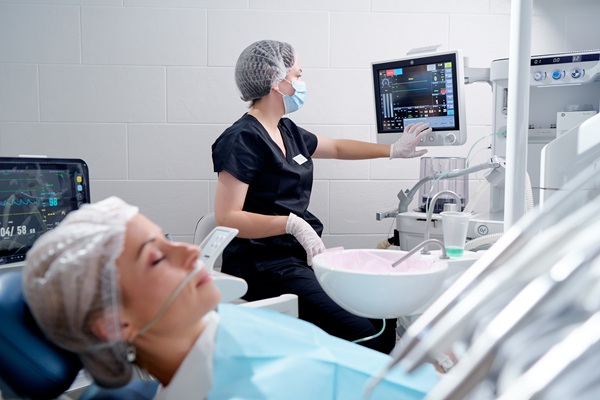
Millions of Americans do not visit the dentist due to fear, but thankfully that can be resolved with sedation dentistry. By refusing to go for your routine dental checkups, you are giving plaque the chance to accumulate on your teeth. While it is true that good home oral hygiene practices may help keep your teeth healthy, dentists have special devices and are highly trained to keep teeth problem-free and detect oral issues that may not be apparent to you.
Causes of dental anxiety
Studies conducted by the Dental Fears Research Clinic at the University of Washington show that up to eight percent of Americans are too scared for a dental appointment, and 20 percent would rather not visit the dentist unless they have an emergency. Dental anxiety is often caused by several factors, including:
- A previous painful treatment experience
- The noises at the dental office (e.g., drills, x-ray machines)
- Feelings of helplessness
- Embarrassment about the state of one's teeth
- Odors associated with dental treatments
- Extremely sensitive gag reflex
Understanding sedation dentistry
Dentistry has witnessed several advancements over the years. Nowadays, the techniques and technology available for dental procedures have made a painless experience entirely possible. Sedation dentistry has contributed to changing people’s mindset about dentists in general.
With sedation dentistry, the dentist can calm your nerves and eliminate pain. Due to past experiences with older treatment methods, root canals have a bad reputation as a result. Fortunately, recent root canal procedures are no longer painful.
How sedation dentistry works
Together with the use of topical anesthetics to keep you numb before a dental procedure, the dentist can offer you different sedation dentistry options to ease your anxiety and keep you comfortable. Based on your preferences, the dentist will give you meds before or during the procedure.
Although you may not sleep completely during treatment, the sedatives will calm your nerves and help you feel relaxed and comfortable. Local anesthetic shots will still be required; you will not be aware of them or any dental procedure. For safety reasons, you will need a responsible adult to drop you off and take you home.
Sleep sedation
True sleep sedation is the maximum level of sedation dentistry. People with serious dental anxiety or phobia, or those with special needs, may not benefit from minimal doses of conscious sedation. True sleep sedation puts the patient into a sleep-like state throughout the treatment, and they may have no recollection of the procedure after waking up. This is achievable via intravenous delivery (IV) for general anesthesia and is administered only by a professional in anesthesiology.
The benefits of total sleep sedation include complete calmness and relaxation, a painless procedure, and the opportunity to complete more treatments in a single appointment.
In conclusion
Even if you do not have dental anxiety, phobia, or higher medical needs, you can still ask your dentist about undergoing sedation dentistry during your next procedure. Remember, you do not have to fear dental procedures. Contact our dental office today to discuss the most suitable level of sedation for you.
Request an appointment here: https://www.delmarfamilydentalcare.com or call Del Mar Family Dental Care & Orthodontics at (303) 586-1090 for an appointment in our Aurora office.
Check out what others are saying about our dental services on Yelp: Sedation Dentistry in Aurora, CO.
Related Posts
Professional teeth whitening can brighten natural enamel, but the right timing for repeat treatment varies by patient. Our cosmetic dentist considers stain return, tooth sensitivity, gum health, previous whitening response, and the type of whitening system before recommending another round. Some patients may want a touch-up after several months, while others may wait a year…
Dentures can restore a complete smile and make everyday eating and speaking easier, but they still need regular professional attention. Changes in fit, comfort, or appearance may signal that an adjustment or repair is necessary. A general dentist can evaluate the problem and help protect the gums, jaw, and remaining teeth.Dentures experience daily pressure from…
A dental filling can repair a tooth after decay and help prevent the cavity from getting larger. However, how long a filling can do its job depends on the material, the size and location of the cavity, daily habits, and routine dental care. Learning more about fillings can help yours last as long as possible.The…
A dental bridge provides a reliable way to replace missing teeth, but understanding the indicators of dental bridge failure helps patients protect their long-term oral health. This prosthetic appliance consists of custom artificial teeth suspended between two or more supporting dental crowns. While these restorations restore chewing functionality and visual balance, structural complications can arise…